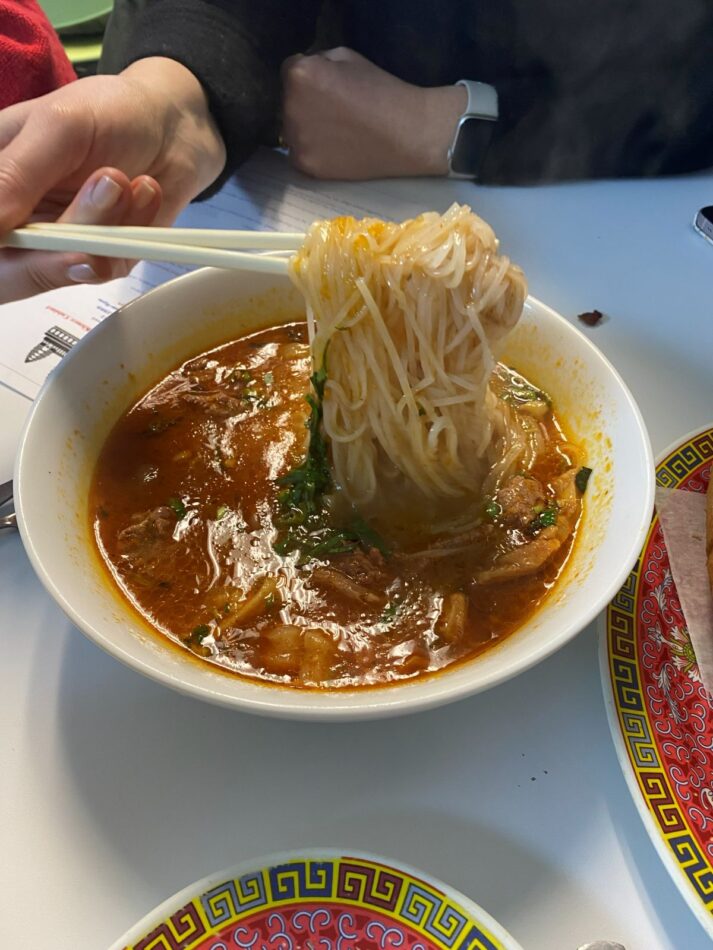
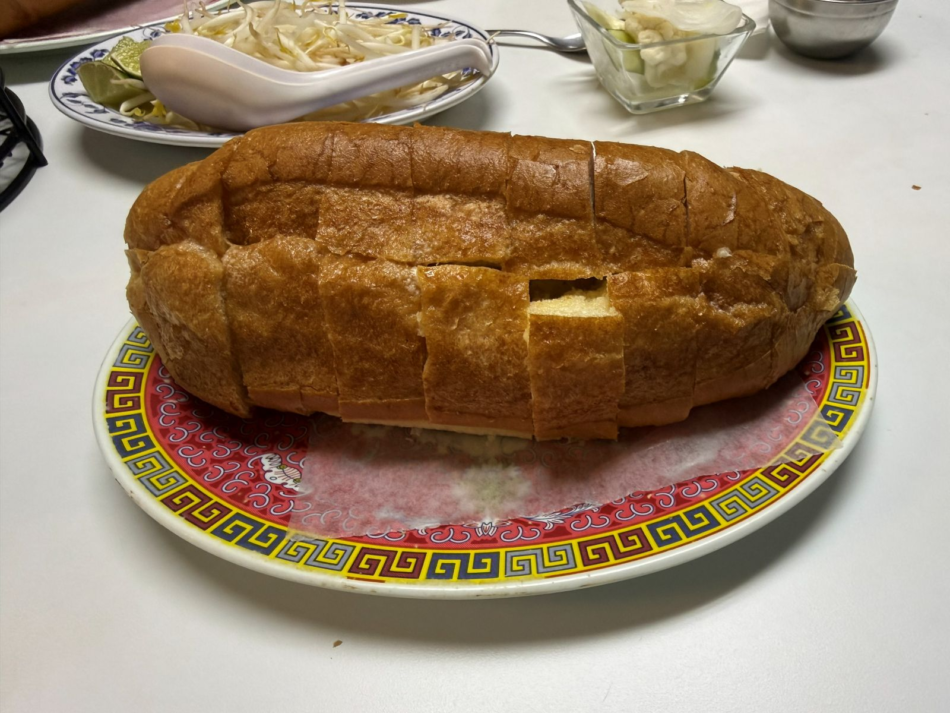
Virtually every table at Le Petit Cafe in Lowell is graced with a bowl of Kuy Teav Kaw Ko, a Cambodian beef soup with a tomato-tinted broth spiked with lemongrass and star anise. The bowl is filled with thin flat rice noodles and a combination of braised brisket, soft chewy tripe, and crunchy but yielding tendon, accompanied by a plate of bean sprouts that can be dumped into the soup, a few lime wedges, and an optional order of butter bread. The soup and noodles (which you can forgo by ordering a side bowl with bread) is a full meal on its own, but the bread, sliced open like a game of Operation and slathered with butter on the inside, is still a must-order for dunking, as evidenced by its inevitable presence on those same tables. Watch its craggy exterior gleam like wet rocks in the moonlight, tear off a piece, swirl it around in the stew, and quickly take a bite; the crisp buttery crust will be met by the thin broth’s gentle spice and deep beef flavor.
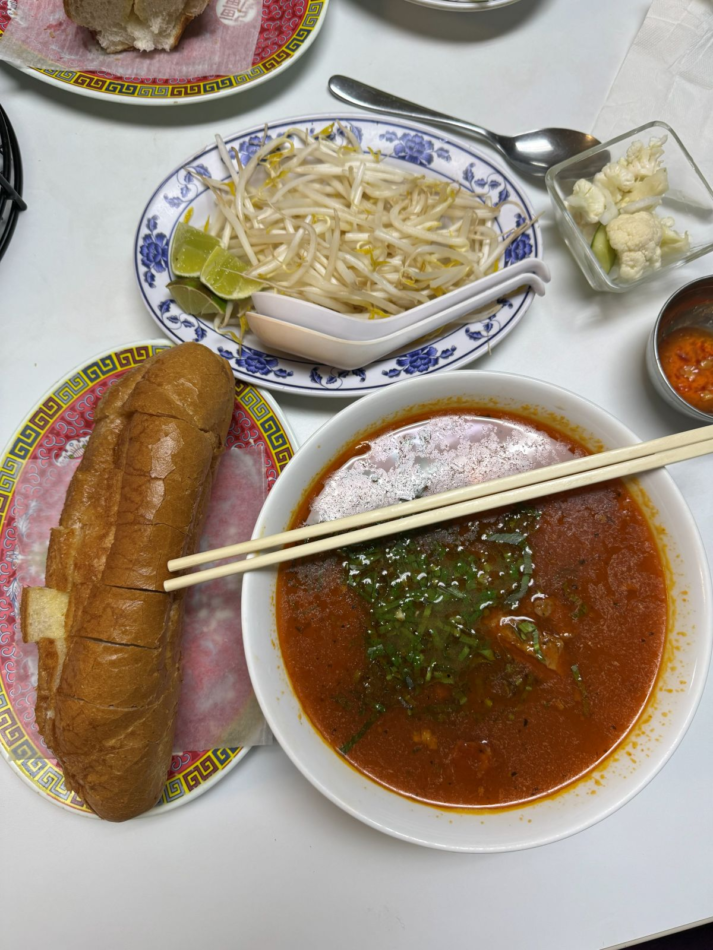
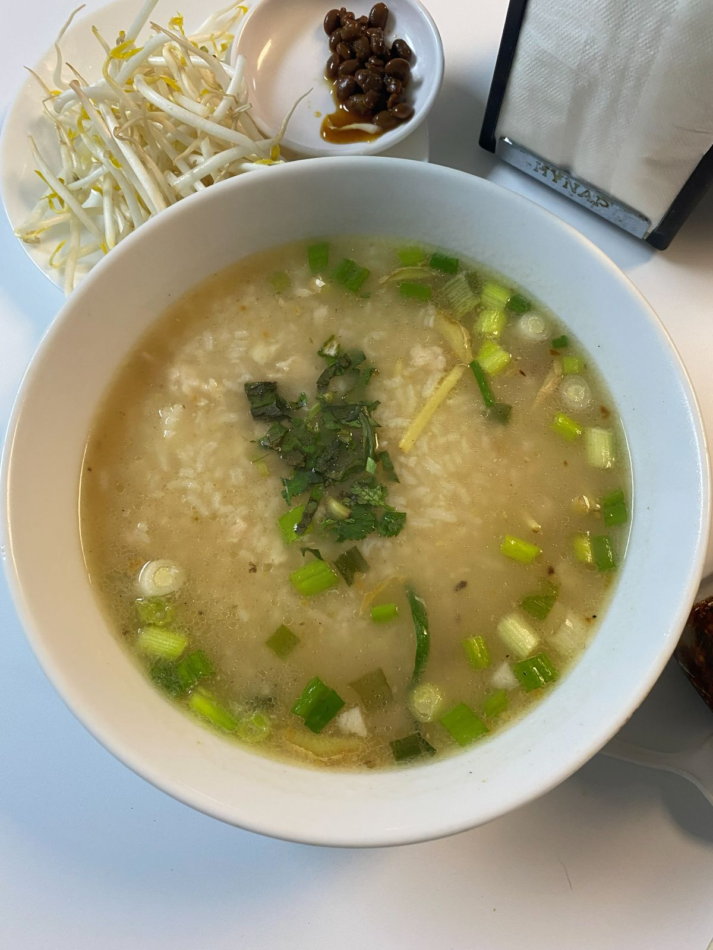
This “beef noodle” soup is easily compared to the pho from neighboring Vietnam (also translated roughly as “beef noodles”) but the clean herbaceous nature of that better-known bowl has taken a darker turn in Kaw Ko, like jumping right to autumn after a spring preview. Instead of culantro and mint there is hot chili and paprika that even a topping of chopped Thai basil can’t overpower. Yet the delicacy of the broth remains just as clear. This is a bowl, like the excellent rice porridge next to it on the menu, often served at breakfast in Cambodia and its comforting nostalgia is a crucial part of the love Cambodians have for it, akin to Southeast Americans discovering perfectly creamy grits far from home.

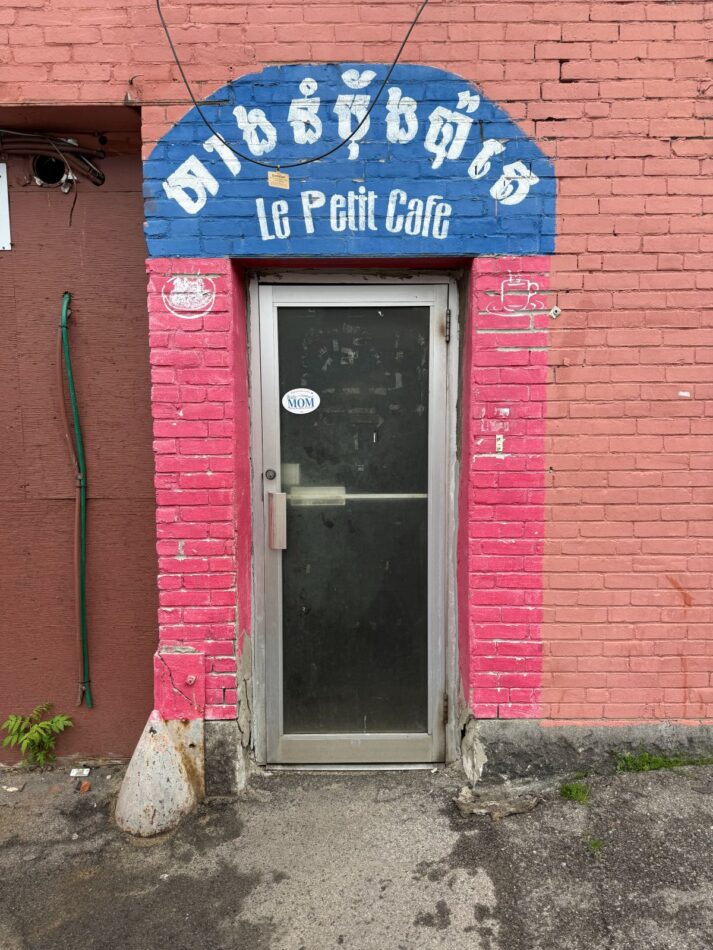
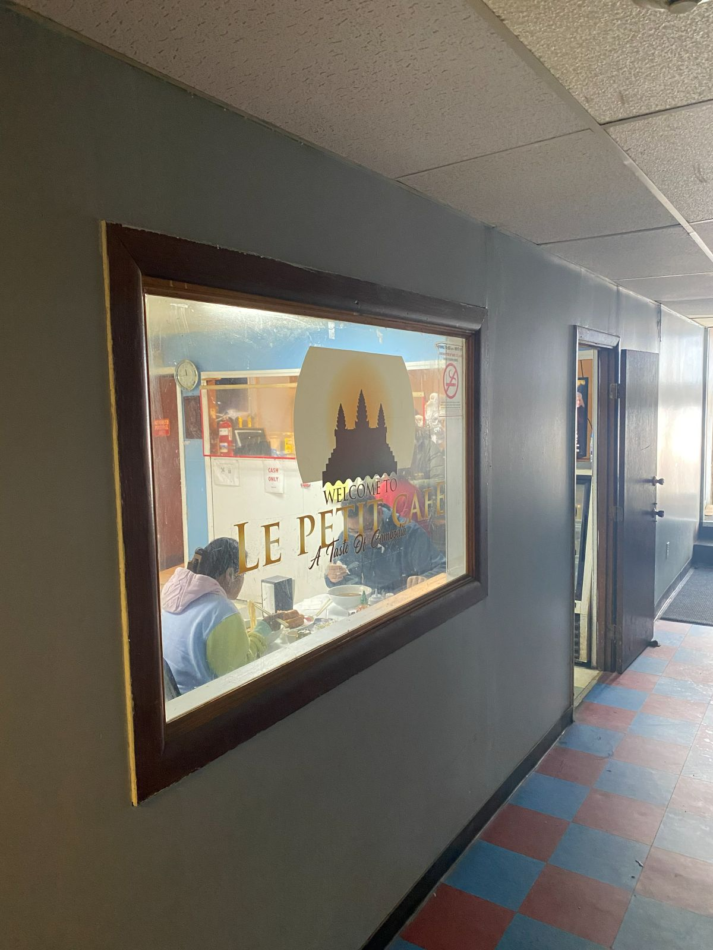
Arriving at Le Petit Cafe is an experience in itself. Stationed on a side street around the corner from the main strip of Cambodia Town in a city where one in five residents is of Southeast Asian descent, the shop is often overlooked in favor of its more prominent competitors. Red Rose, the heart of the Pailin Plaza strip mall around the corner that anchors this close-knit community, was a semifinalist for a James Beard award in 2023, while the more-recent Simply Khmer on the south end of the neighborhood was featured on Padma Lakshmi’s Taste the Nation series on Hulu. Unlike those traditional storefronts, Le Petit Cafe’s facade is only distinguished by its painted doorway, tinted red and blue in reference to Cambodia’s flag and weathered over decades. A quick few steps down leads you to an office hallway where the restaurant’s entrance is tucked away, a handful of tables illuminated by a neon glow viewable through the painted glass window. It’s a tidy mix of post-industrial Lowell in transition and old-world food-nook discoveries, a magical portal to the charms of this mill-and-Buddha landscape.
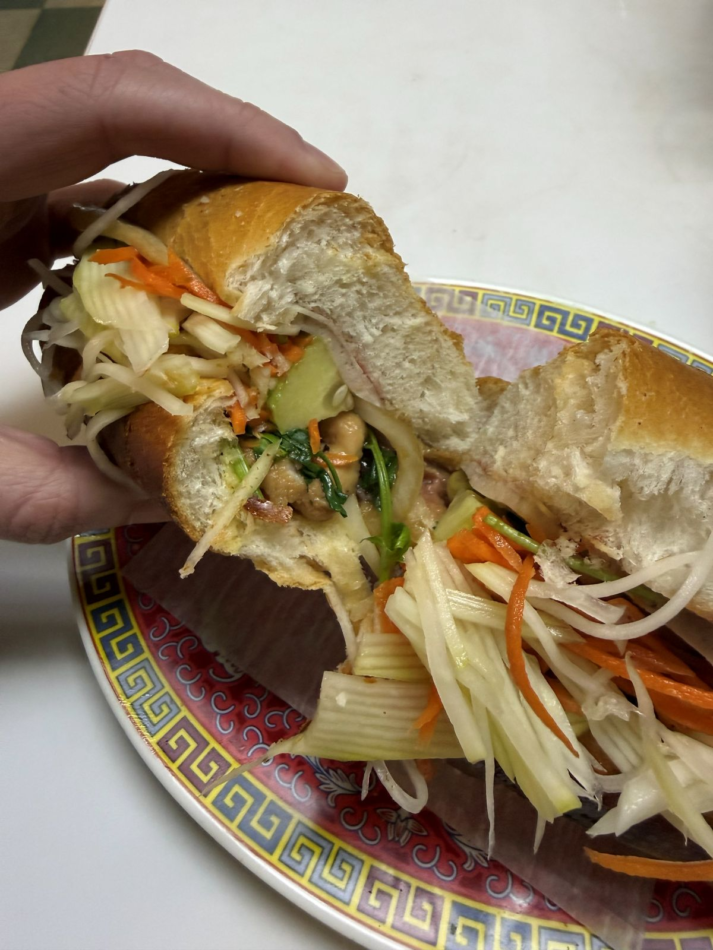
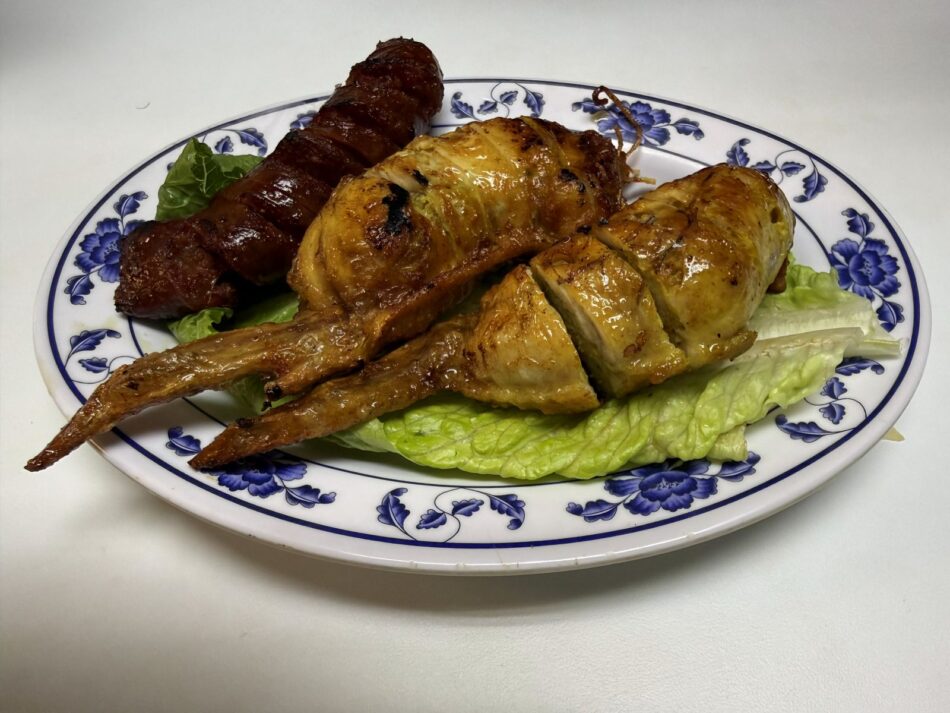
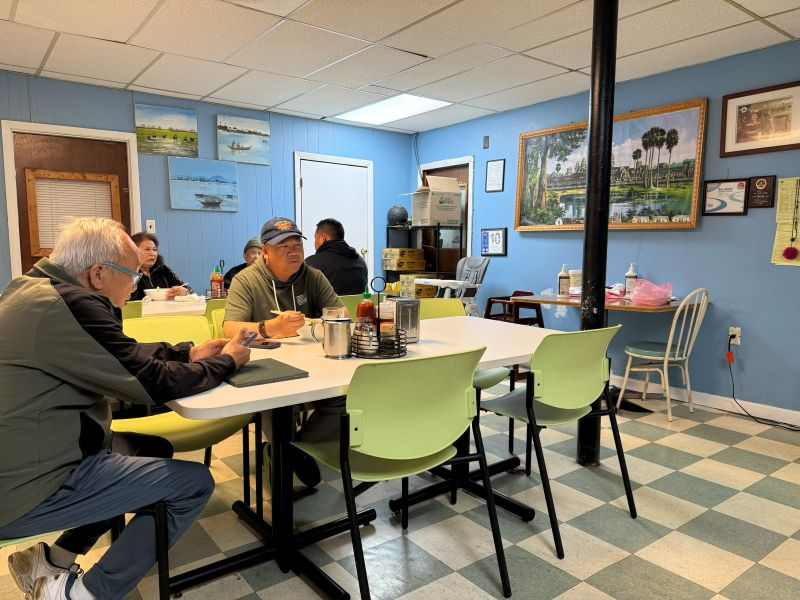
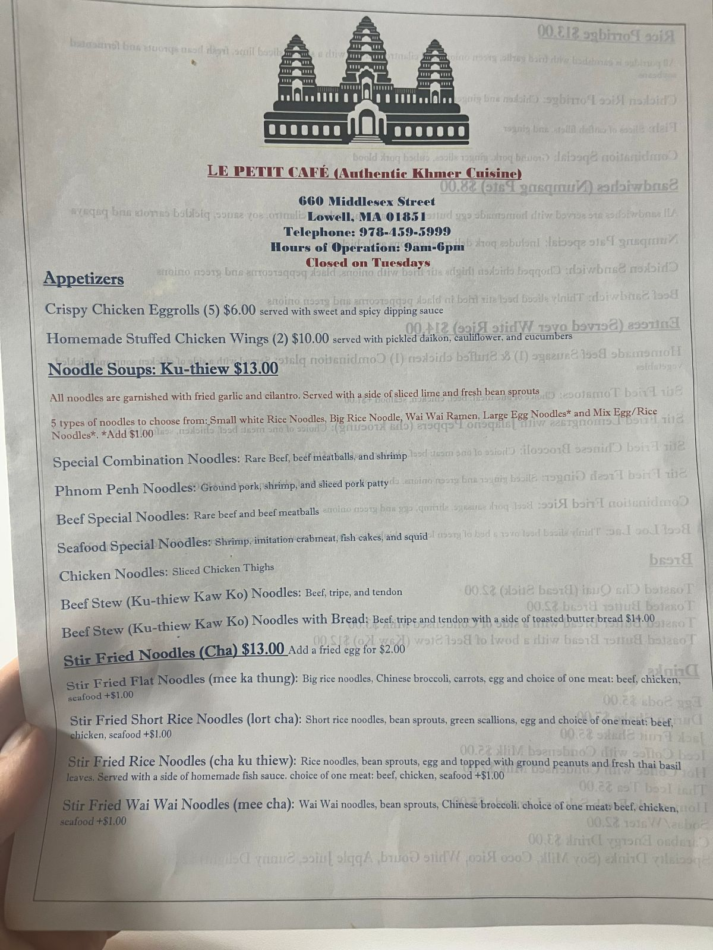
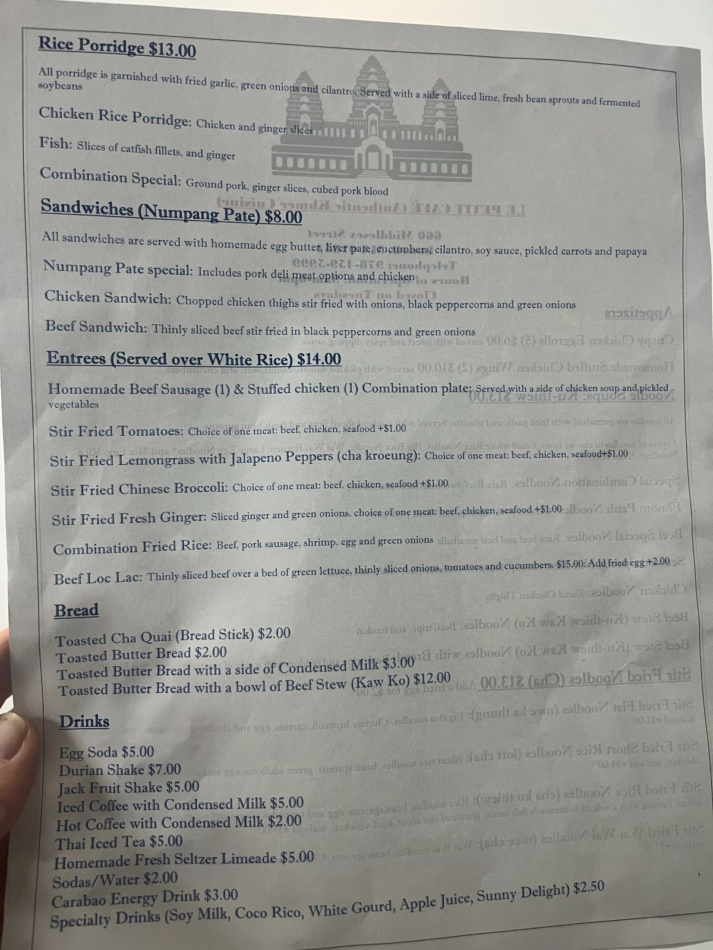
Le Petit Cafe is one of the oldest still-operating Cambodian restaurants in this most-Cambodian of all American towns, but unlike Red Rose around the corner it never changed hands: it was opened in 1995 and remains run as a family business, with the mom cooking behind the counter and son and daughter helping customers. Despite its basement location, the restaurant is light and cheerful, welcoming a steady and diverse stream of customers to walls lined with bright colorful posters of Cambodia. There are toddlers on tablets slurping jackfruit shakes while their parents stuff down lunch and Market Basket workers on their break with a side or two of twa ko, excellent housemade Cambodian beef sausage, or slab muon baok, labor-intensive and satisfying stuffed chicken wings. A few tables might sport num pang, the Cambodian equivalent of a banh mi, topped with shredded papaya instead of pickled daikon, or a stir fry, meat quick-seared with pin noodles or slices of slick crisp Chinese broccoli, as a supplement. But the soup still takes center stage.
While a steady stream of restaurants sprouted up in Lowell as the Cambodian population ballooned, the Southeast Asian restaurant scene has exploded in the 21st century. Along with Cambodian spots like those mentioned above, Laotian, Thai, and Vietnamese owners have expanded the diversity of selection to the point of overwhelming abundance. Larger restaurants offer menus that read like encyclopedias of national dishes, gringo friendly hits, and regional specialties, while new families fulfill their dream of opening their own shop with a more modest selection of homegrown recipes on a regular basis. This endless parade of options is an anchor for a displaced community that has built a new home, but for the rest of us it is an opportunity to dive into a warm and welcoming culture excited to share what they treasure. Le Petit Cafe is an intimate and modest offering to Massachusetts food culture that embraces the best of its multi-faceted surroundings and portions it out in steaming ladles that comfort and delight in equal measure. ■
About Le Petit Cafe
Exactly 50 years ago, the first Cambodian refugees arrived in Lowell, a cotton mill city that helped kickstart the industrial revolution in the 19th century. Waves of French Canadians, Portuguese, Greeks, and Irish, among countless other nationalities, had preceded them thanks to the need for cheap labor in the mills, but this later influx would turn out to be even more transformative.
By the end of the 20th century there were about 20,000 people of Asian descent in Lowell – nearly one-fifth of the population – with over half of them specifying Cambodian descent. Lowell became home to the second largest Cambodian community in the US (after Long Beach, CA) and, because Lowell is smaller overall, the city with the highest concentration. After some early fights for rights in schools and other leaps of progress in establishing themselves in the community, they began to see real representation in government. The city council now regularly includes Cambodians at proportional levels, and the city elected America’s first ever Cambodian-American mayor in 2022.
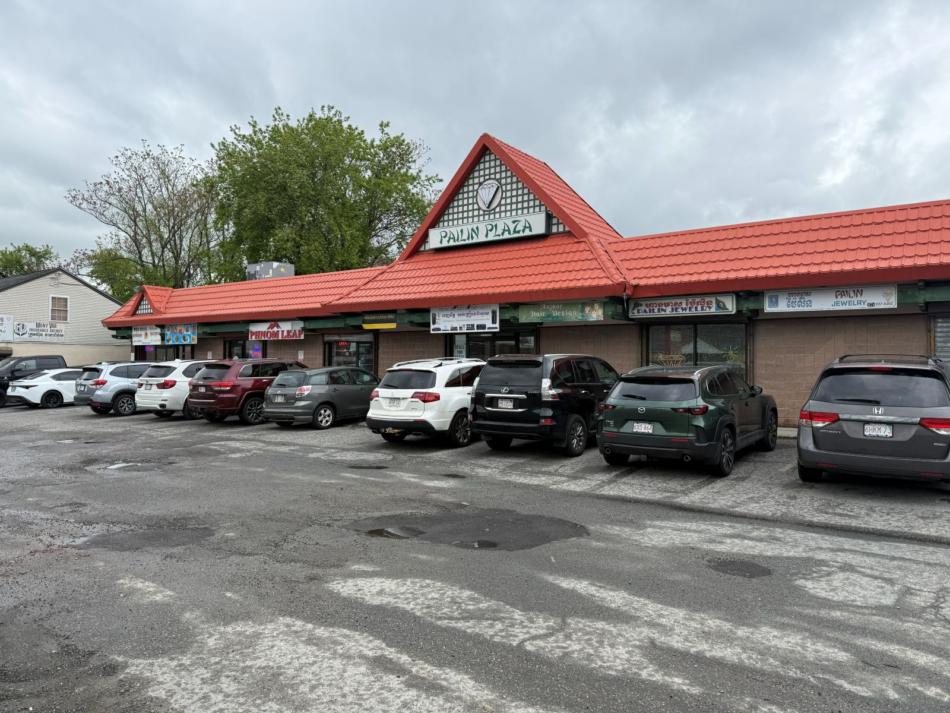
The center of this community is the Highlands neighborhood now referred to as Cambodia Town. The main thoroughfare is lined with shops and restaurants featuring signs in Khmer, including in Pailin Plaza, where Red Rose was established in 1992 and was sold to the current owners in the early 2010s.
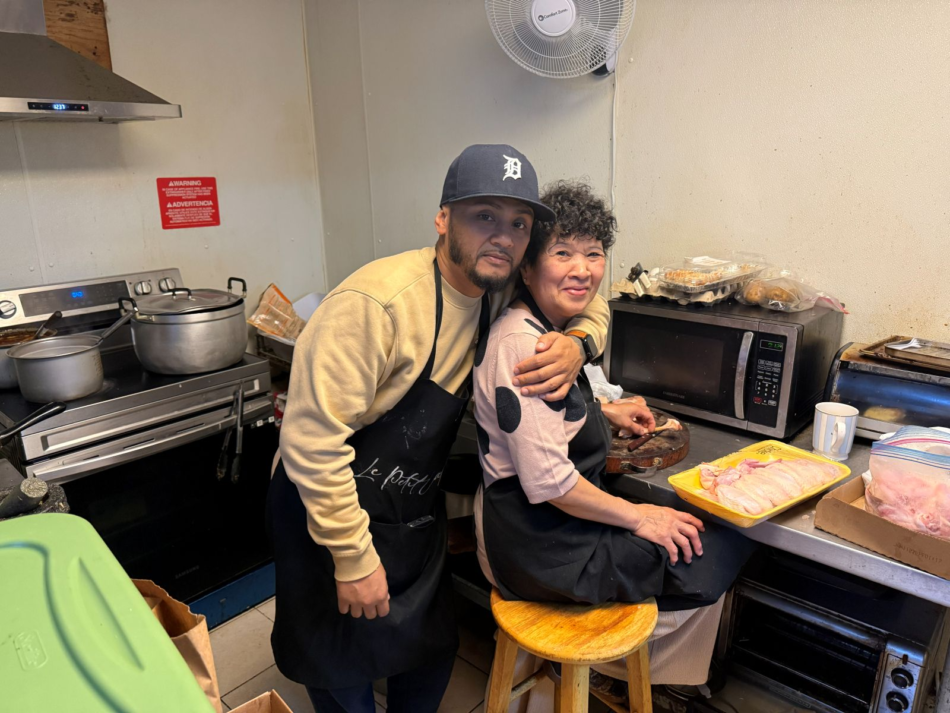
Le Petit Cafe was established in 1995 by the Yang family, with Tiva Yang cooking the food. Tiva remains the driving creative force behind the restaurant, with her son Phila and daughter Mary helping her in the front of the house. The family is always enthusiastic about welcoming people into the restaurant and, for non-Cambodian people, guiding them through any unfamiliar parts of the menu. It’s this mix of familiar hospitality and specificity of tradition that has kept the restaurant running for over three decades, and it will hopefully sustain it for years to come. ■
Eating in Lowell’s Little Cambodia
The Lowell Sun on the Installation of the Statues in Cambodia Town
Things to know:
Cash only, though they have added an option to pay through Venmo. There can be a wait at peak meal times, but it usually moves fast.
What to order:
Kaw Ko with Bread, Stuffed Chicken Wings, Num Pang Pate, Twa Ko (beef offal sour sausage), Lort Cha (stir fried pin noodles), Seltzer Limeade
Around town:
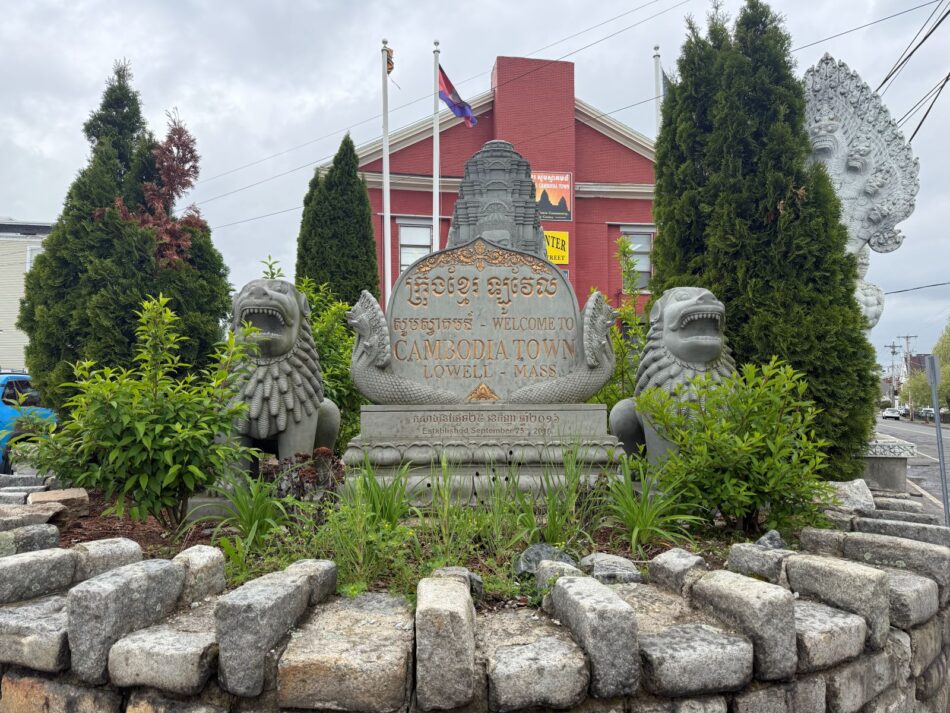
Be sure to check out the Pailin Park Statues at the small point where Branch meets Middlesex St commemorating the neighborhood, and then cross the street and wander the aisles at New Pailin Market. There are many delicious things to eat for dessert in Cambodia Town. Dessert Shop and Bakery (along with Yummy Express and Phnom Leap Deli Plus, which also serve banh mi) has a wide variety of prepackaged traditional desserts like khmer jelly, fried banana sticky rice, and noum kong, Cambodian donuts made with rice flour and glazed with sticky palm sugar and sesame, along with neon-tinted shaved ice. Kim’s down the street is a relatively recent American-style donut shop, but its Cambodian ownership and location on the edge of Cambodia Town is a reminder of the half-century trend of Cambodian-run donut shops across the country in California.